
Sanilac County Arrest Warrants Explained
A Sanilac County arrest warrant tells an officer to bring a named person before a judicial officer. In Michigan that call belongs to a judge or a district court magistrate, guided by court rule and statute. No officer can write one himself. A prosecutor or authorized complainant lays out the facts, and the court decides whether those facts are enough. Sanilac County runs one countywide district court. The 73A District Court hears adult misdemeanors, traffic and parking civil infractions, and preliminary examinations in felony cases, while the 24th Circuit Court receives felonies after a bindover. That split decides where a warrant is issued and where the file lives. A felony can climb from district court to circuit court. A misdemeanor usually stays put. For the current charge, the bond position, and the case status, ask the issuing court in Sanilac County directly.
How Sanilac County Arrest Warrants Begin
Michigan Court Rule 6.102 supplies the mechanics. A complaint opens the criminal proceeding, and the court reads it for probable cause, meaning a reasonable factual basis to believe an offense happened and that this person committed it. If the court finds that basis, it picks either a summons or a warrant. The rule also makes the warrant name the accused if known, state the offense charged, and order an authorized officer to bring the person before a judicial officer. Michigan's criminal procedure statutes match those requirements. That is why a Sanilac County warrant record reads the way it does, and why the supporting affidavit may never show up in a public case search. The affidavit can hold protected details about witnesses, methods, or safety, so Sanilac County courts keep it close.
Inside a Sanilac County Arrest Warrant
A warrant and its docket entry are not the same thing in Sanilac County. The public docket shows an event and a label. The signed process and its supporting papers carry far more detail. Only the issuing court can confirm whether an entry reflects a warrant that is still active today.
| Warrant or case number | The court's own file identifier. A case number ties the District Court and Circuit Court records together when a felony moves up. A synthetic example of the shape is SYNTHETIC-0000; no real number is reproduced here. |
|---|---|
| Person named | The accused person as the court identifies them on the process. |
| Offense charged | The charge stated on the warrant, which is an accusation and not a result. |
| Issuing court and officer | The judge or magistrate who signed the process and still controls its status. |
| Issuance date | When the court issued the warrant. An old date does not prove the warrant is still active. |
| Bond or release condition | Any condition the court has set. A clerk cannot promise release terms. |
| Status | Active, served, recalled, or superseded. Confirm the current word with the court. |
| Return note | The officer's report back to the court after execution or an attempted execution. |
Sanilac County Warrant Record vs Sheriff File
Two Sanilac County offices hold two different records, and a caller who reaches the wrong one gets a partial answer. The court file shows the charge, the process, and every docket event after it. The sheriff file shows what the agency did with the warrant and who it held.
| Record | Where it lives | What it can tell you |
|---|---|---|
| Warrant, complaint, docket, recall order | 73A District Court or 24th Circuit Court | Whether process is active, recalled, or superseded, and what the court wants next |
| Arrest report, booking entry, execution and return | Sheriff's Office Records Bureau | What the agency recorded when it acted, subject to exemptions and redaction |
A written request for a sheriff-held record goes to the Records Bureau at 65 N Elk Street in Sandusky. The bureau takes a fax, an email, or a mailed form. The posted response window is five business days, with a possible ten-day extension. Note: Keep court and agency questions separate, since each Sanilac County office answers only for the records it maintains.
Serving Arrest Warrants in Sanilac County
Execution means an officer takes the person into custody under the warrant. Which agency carries it out depends on the warrant and the assignment. The Sanilac County Sheriff's Office, a city department such as Sandusky or Croswell, the Michigan State Police, or another authorized peace officer may act on it. This county has no local constable or city marshal office. If an officer contacts you about a Sanilac County warrant, the practical advice is short: stay calm, do not physically resist, ask which court issued the warrant, and ask for counsel before discussing the case.
Felony Bindover in Sanilac County Warrant Cases
A Sanilac County felony can open in 73A District Court with a complaint and process, then move to the 24th Circuit Court after a preliminary examination. The district court tests probable cause at that hearing. If it finds cause, the case is bound over and the Circuit Court owns the trial file from that point. Note: Felony process can appear in two courts, so search both the District Court and Circuit Court records for the same case number in Sanilac County.
Sanilac County Clerk Warrant and Case Files
Circuit Court records move through the Sanilac County Clerk, clerk of the 24th Judicial Circuit Court. That office keeps the files. Ask it for a plain or certified copy of a Circuit document.
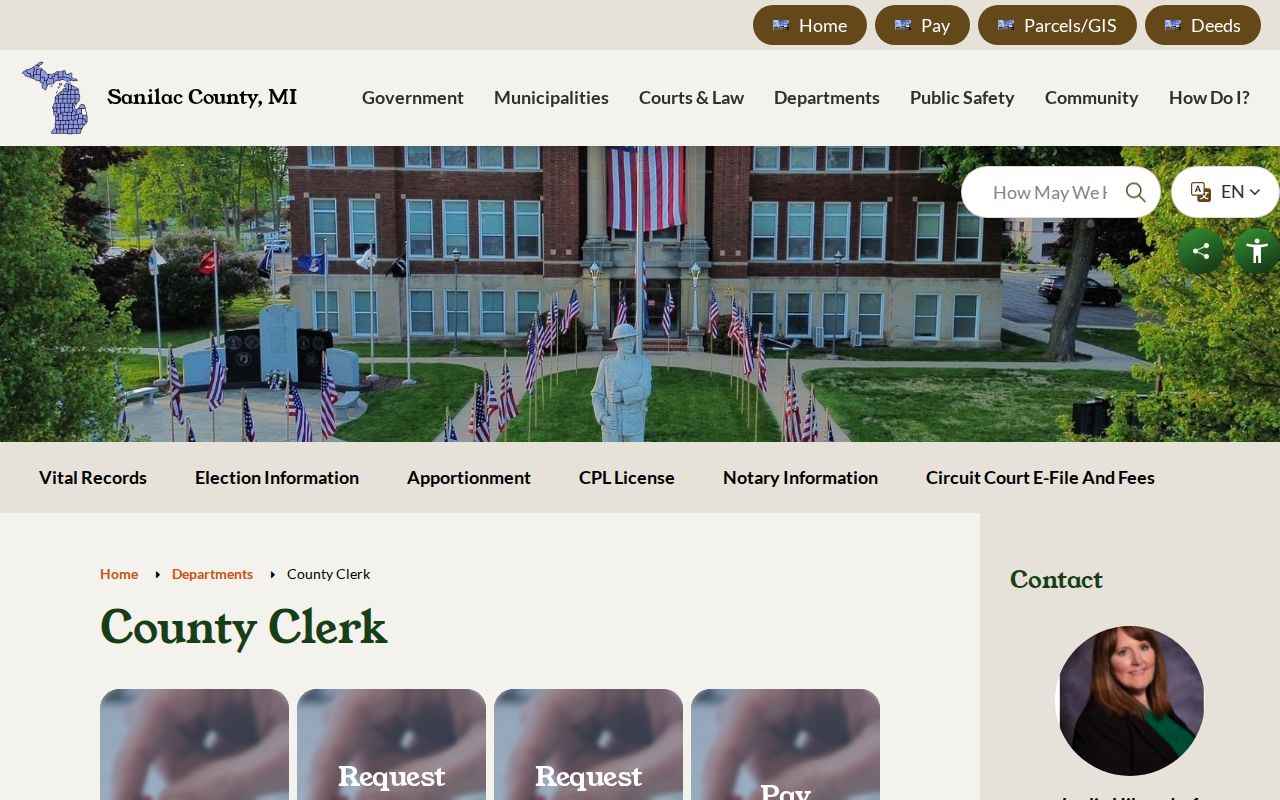
The clerk's page lists the records contact and the court payment codes. A certified copy of a docket entry still says nothing about a warrant's current status. Only the Sanilac County issuing court can confirm that.
Comparing Arrest, Summons, and Bench Warrants
Michigan courts use three labels readers often mix up. Each one changes what happens next for the person named in Sanilac County, and each carries a different instruction.
| Process | What it does | What the reader should do |
|---|---|---|
| Arrest warrant | Authorizes an officer to bring the accused before a judicial officer | Contact the issuing court or an attorney about status and appearance |
| Summons | Directs the person to appear at a stated time without an arrest command | Follow the notice and confirm the court if anything is unclear |
| Bench warrant | Court process tied to a missed date or a violated court order | Ask the issuing court about voluntary presentation, recall, and bond |
Sealed Sanilac County Warrant Records
Public process does not mean a public file. Michigan court rules restrict personal identifiers and document images in Sanilac County records. Further exemptions cover investigative methods, confidential sources, safety details, and protected case categories. Juvenile and child-protective files follow separate confidentiality rules and may never appear in a public search.
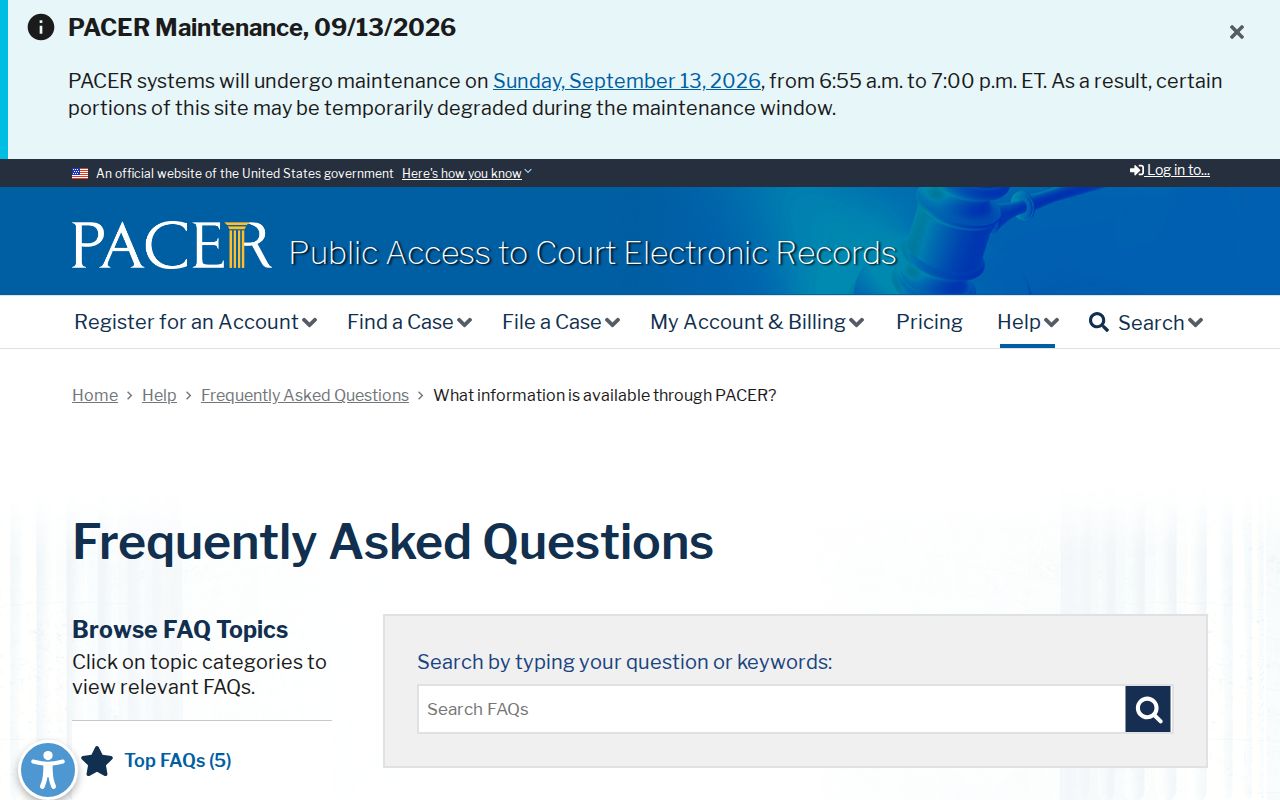
Sanilac County files work the same way. The federal FAQ explains which records the public system can show. It also explains why sealed material stays withheld, and state files follow suit. Note: Protected and sealed records stay out of public view by design, so a missing search result never proves that no warrant exists.
If There's an Arrest Warrant for You
Don't wait for a traffic stop to settle a Sanilac County arrest warrant. That hands the timing to someone else. Call the issuing court first. Ask whether a voluntary appearance is accepted, whether a motion is required, whether bond has been set, and what identification to bring. Michigan Court Rule 6.105 covers a person wanted on a bench or arrest warrant who voluntarily presents to the issuing court within one year after issuance. Prompt arraignment follows if a judicial officer is available. When one is not, the rule allows a recall with a new date. Exceptions apply, including assaultive and domestic violence matters.
Act Before the Stop: Call the issuing court and a Michigan attorney. Ask where to present, what to bring, and whether bond has been set. Presenting to the court is not the same as walking into a police station without instructions, and no one can promise that a voluntary appearance means immediate release.
Keep every receipt, filed motion, order, and docket printout. Ask the Sanilac County clerk when the public record will show the change in status.
Federal Warrant or Sanilac County Process
A federal warrant sits beyond Sanilac County's state courts. No Sanilac County judge can confirm or recall one. Federal criminal matters in this region run through the U.S. District Court for the Eastern District of Michigan. Its docket tracks a federal case's movement. The federal record system is separate and limited. PACER carries the public federal dockets. Sealed documents, including sealed indictments, stay closed to the public. A missing federal search result proves nothing where a sealed or very recent filing may be involved. If a notice names a federal court or agency, call that court or a lawyer rather than asking 73A to resolve a federal matter.
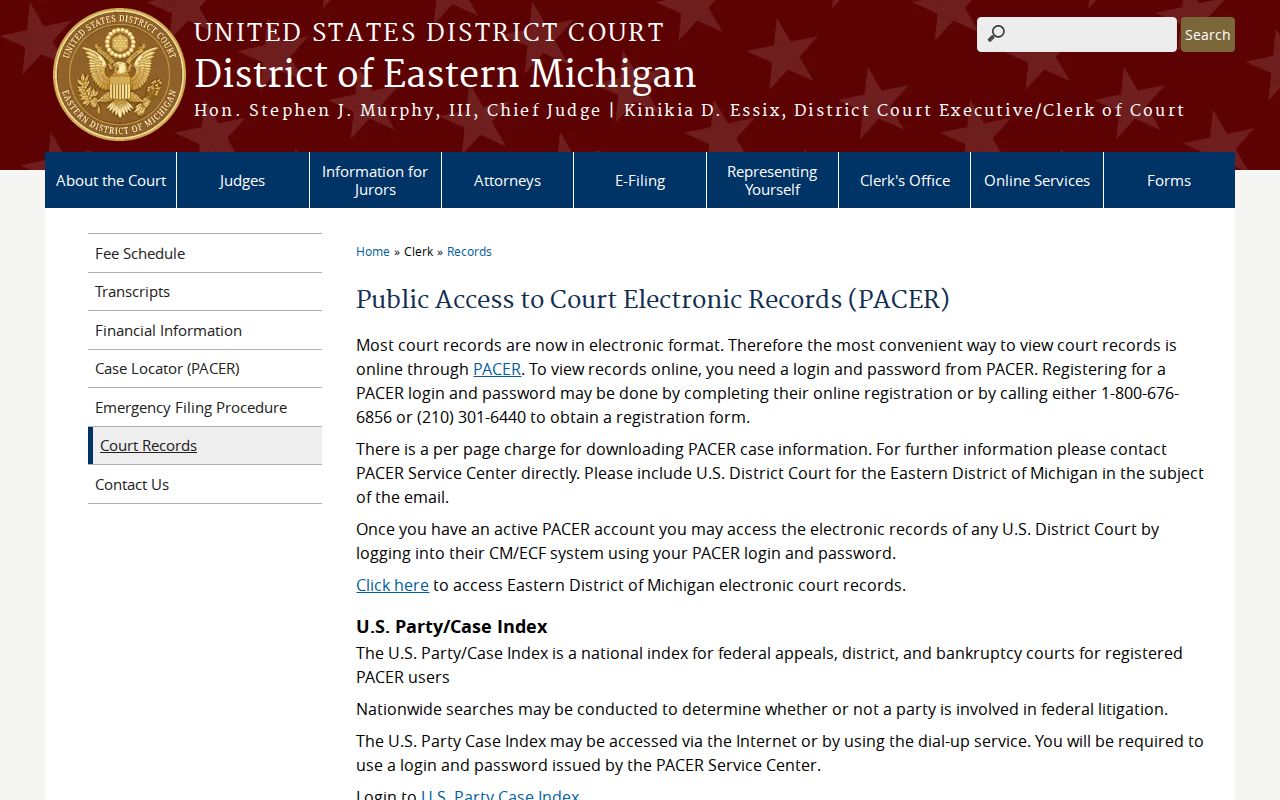
The Eastern District records page offers the clerk's route into federal case information. It stays separate from Sanilac County court searches.